
How to Plan a Multicultural Wedding: A Guide for Fusion Couples

A multicultural wedding isn't two celebrations awkwardly stapled together. Done well, it's one day where a baraat flows into a first dance, a tea ceremony sits beside a chuppah, and both families walk away feeling like they witnessed something that belonged to them. The hard part isn't finding traditions, it's choosing which ones to keep, sequencing them so nobody feels rushed, and finding vendors who understand what a fusion wedding ceremony actually requires.

Start With the Conversation Nobody Wants to Have
Before you tour a single venue, sit down with your partner and ask: which traditions actually matter to each of you? Not which ones look good online. Which ones would your grandmother notice were missing?
Most families, asked directly, name two or three non-negotiables, not twenty. A Hindu couple might care deeply about the saat pheras. A Jewish family might need a chuppah and the breaking of the glass. A Persian family might consider the sofreh aghd essential. Once you know the real priorities on both sides, build around them instead of cramming in every ritual until the day fractures.
The couples who struggle most try to represent everything equally. It creates an exhausting event where no tradition gets its full weight. Three rituals done with intention beat fifteen done in a hurry.
Then bring both families in early. Not to ask permission, to ask what matters. When parents feel consulted before decisions are made, they're far less likely to push back when you have to leave something out. This single step prevents more wedding-week drama than anything else in this multicultural wedding planning guide.
Choose Your Multicultural Wedding Ceremony Structure
The structure you pick shapes everything: timeline, venue, budget, guest experience. Three common approaches for a cross-cultural wedding, each with real trade-offs.

Two separate ceremonies, one reception
One ceremony in each tradition, same day or across a weekend. Each ritual gets its full space. Common for South Asian diaspora weddings: sangeet the night before, ceremony the next morning, Western reception that evening. The cost is time and budget, two setups, sometimes two officiants.
A single fusion wedding ceremony
Weave both sets of rituals into one service: a Western processional leading to a mandap, the seven vows followed by a vow exchange, a unity candle alongside the sacred fire. Elegant when it works, but it demands a skilled officiant who understands both traditions and a run-of-show so guests understand what's happening. Aim for 45 to 60 minutes; 90 is the ceiling.
One tradition for ceremony, both for reception
The ceremony follows one tradition; the reception becomes the fusion point, with food, music, and décor from both cultures. Lowest friction, works well when one family is more flexible about ceremony format.
Pick a Multicultural Wedding Venue That Can Hold Both Cultures
A gorgeous venue that can't accommodate your traditions isn't gorgeous, it's a problem you'll discover too late. Ask these before you sign:
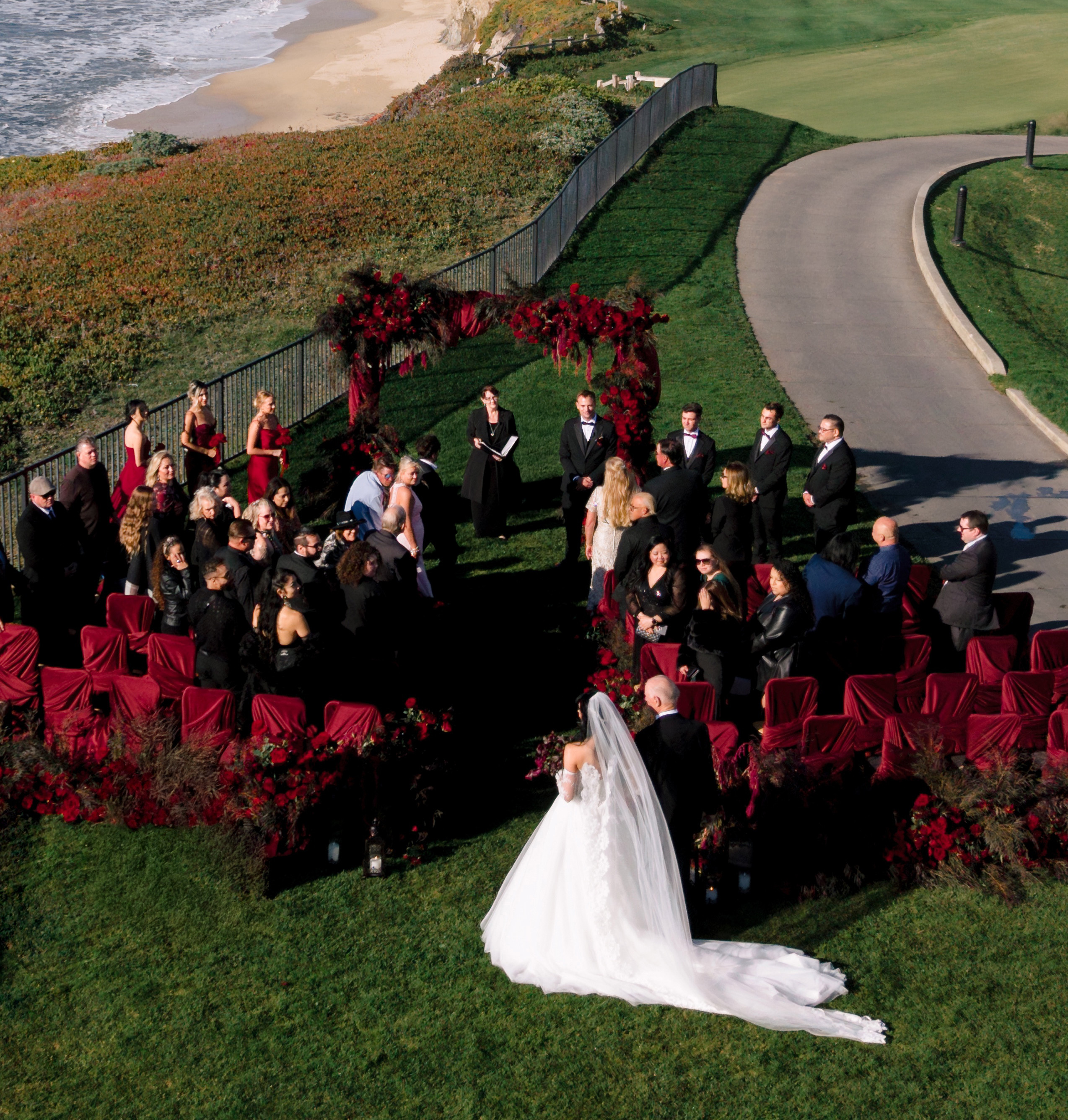
Outside catering: Can you bring your own caterer? If you need South Asian, Persian, kosher, or halal cuisine, confirm early. Many venues allow it but charge a buyout fee.
Open flame: A havan, unity candle, or incense for a tea ceremony, these need clearance. Some venues ban open flame entirely.
Sound: A baraat needs a live drummer or sound system. Noise ordinances or cutoff times can make a traditional procession impossible.
Ceremony structures: Will the space hold a mandap, chuppah, or sofreh comfortably?
Whether you're planning an Indian American fusion wedding, a Persian-Jewish celebration, or a Chinese tea ceremony wedding, the venue has to flex with your traditions, not the other way around. Persian wedding traditions call for a sofreh aghd spread with specific symbolic items. A Chinese tea ceremony wedding needs a quiet, semi-private space for serving elders. Make sure your venue can handle both.
Build a Multicultural Wedding Timeline With Real Buffer Time
Multicultural ceremonies run long when transitions aren't timed. A baraat that should take twenty minutes runs forty because the dancing was too good to stop. Build a run-of-show with a duration for every ritual, and share it with your officiant, musicians, and venue coordinator four weeks out.
Rough skeleton for a single-day blended wedding:
90 min before ceremony: Baraat or groom's procession (30 to 45 min), then milni
Ceremony: 60 to 90 min
30 min buffer: Outfit change, couple portraits, family photos
Cocktail hour: 60 min, good window for a short tea ceremony
Reception: Grand entrance, dinner, toasts, first dance, open floor
The buffer is not optional. It's the difference between a day that flows and a day where you're sprinting through a hallway holding your lehenga up while the DJ stalls.
Help Guests Understand Cross-Cultural Wedding Traditions
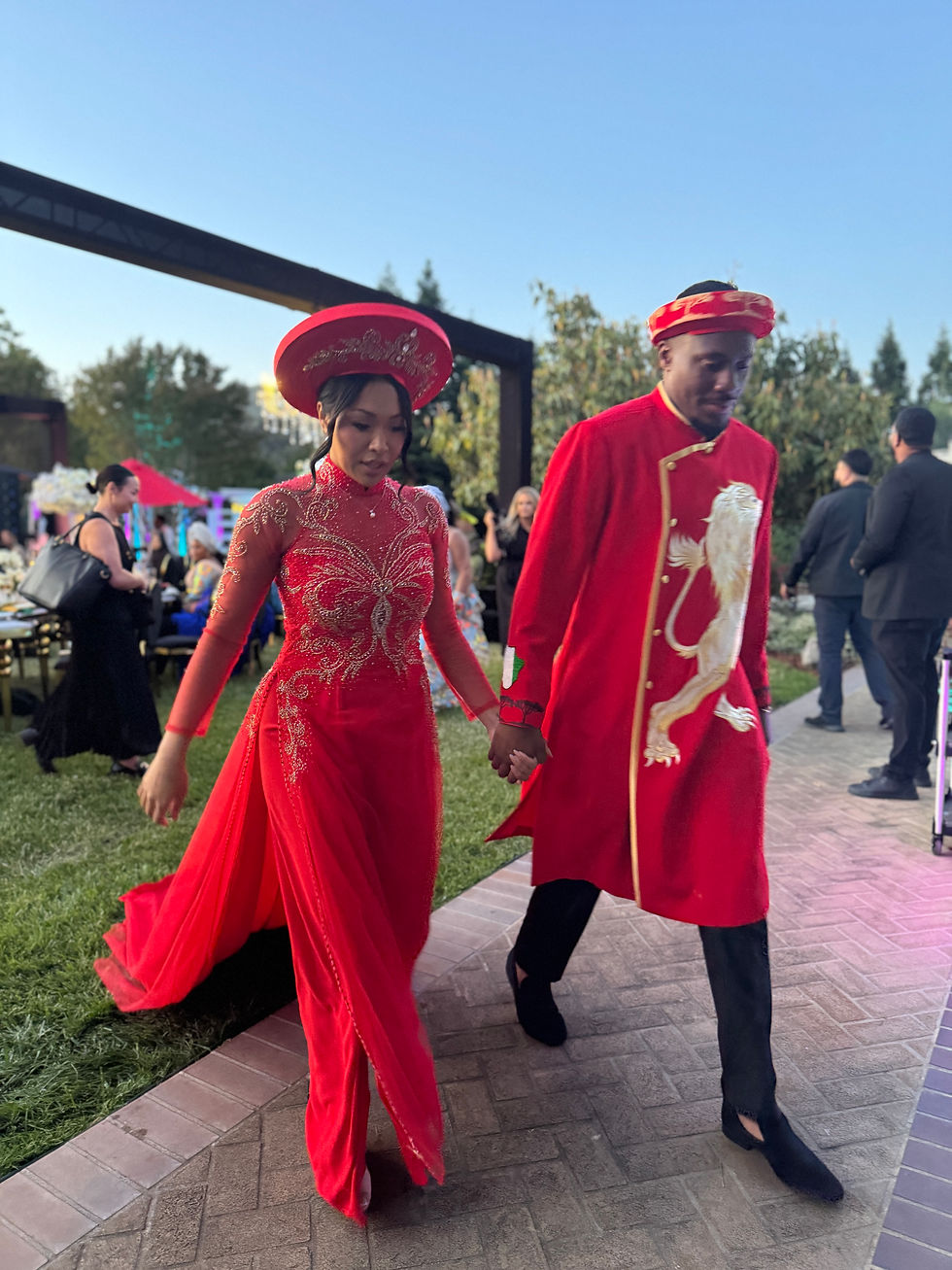
Not every guest will understand every tradition. A one-page program explaining each ritual, its origin, and its meaning turns passive observers into engaged witnesses. Bilingual greetings or vows in a native language make families feel seen; a short translation extends that to every guest. If your officiant can briefly explain a ritual as it happens, even better, a sentence of context before the saat pheras or the breaking of the glass turns "what are they doing?" into "oh, that's beautiful."
Don't skip this to save time. The five minutes you spend explaining cross-cultural wedding traditions is the difference between guests feeling included and feeling like audience members at someone else's culture.
Hire Vendors Who've Actually Done This
A photographer who's shot dozens of multicultural ceremonies knows when to step back during sacred moments. A planner with cross-cultural expertise manages timing and family dynamics better than a generalist. A DJ who blends Bollywood with Western sets without emptying the floor is worth their weight in gold.
Ask directly: how many multicultural weddings have you worked? Which traditions are you familiar with? Can you coordinate with a pandit, a rabbi, and a civil officiant in the same ceremony? If they hesitate, keep looking.
Budget by Ritual, Not by Category
Most couples budget by line item: flowers, catering, photography. For a culturally diverse wedding, budget by ritual instead. Decide which three or four moments matter most and fund those first. A properly constructed sofreh matters more to a Persian family than an extra hour of open bar. A well-built mandap matters more to a Hindu ceremony than upgraded chair covers. You're not paying for everything, you're paying deeply for the right things.
Looking for multicultural wedding ideas? Start here: fund the rituals that carry meaning, skip the things that don't, and let both families see themselves in the day. An interfaith wedding works best when both sides feel their traditions were treated with the same respect, not squeezed in as an afterthought.
Planning a Multicultural Wedding in the Bay Area?
B Anu Events specializes in cross-cultural celebrations: Indian-American fusion weekends, Persian-Jewish ceremonies, blended traditions of every kind. We handle timelines, vendor coordination, and family dynamics so both sides feel honored.
Let's build a wedding that sounds like both of you.

Frequently Asked Questions
How do you plan a multicultural wedding without choosing one culture over the other?
Ask each family to name the two or three traditions that matter most, then build your ceremony and reception around those. Depth over breadth keeps both sides feeling represented.
What is a fusion wedding ceremony?
A fusion wedding ceremony weaves rituals from two or more cultures into one service, like a Western processional leading to a mandap, or a chuppah alongside a tea ceremony. It needs a skilled officiant and a clear run-of-show.
How long does a multicultural wedding ceremony take?
A blended ceremony runs 45 to 90 minutes. Two separate ceremonies on the same day means a full afternoon with a buffer for outfit changes.
What should I look for in a multicultural wedding venue?
Flexibility. Confirm outside catering for specialty cuisine, open flame rules for rituals, sound restrictions for a baraat, and whether the space fits a mandap, chuppah, or sofreh.
How do I help guests understand unfamiliar traditions?
A one-page program explaining each ritual and its meaning turns passive observers into engaged witnesses. Bilingual vows and a short translation extend that feeling to every guest.
How far in advance should I start planning a multicultural wedding?
12 to 18 months. Multicultural weddings involve multiple events, specialty vendors, and longer timelines, so booking early gives you access to planners and venues who understand cross-cultural celebrations.
Get in touch with B Anu Events to start planning your wedding weekend.
Ami Patel is the Marketing Executive at B Anu Events, where she blends creativity and strategy to help turn ideas into memorable experiences.

Comments